Your Skip Load Has a Second Life: Following Mixed Waste From Driveway to Transfer Station
Most people assume the story ends when the lorry pulls away. The skip is empty, the driveway is clear, and the waste becomes someone else’s problem. In reality, that mixed load is only starting its journey. It will be weighed, tipped, sorted, redirected and, in some cases, rejected. Understanding that process is genuinely useful, because it changes how you load a skip, what you separate first and why a tidy pile can take money off the final bill.
From the kerb to the weighbridge
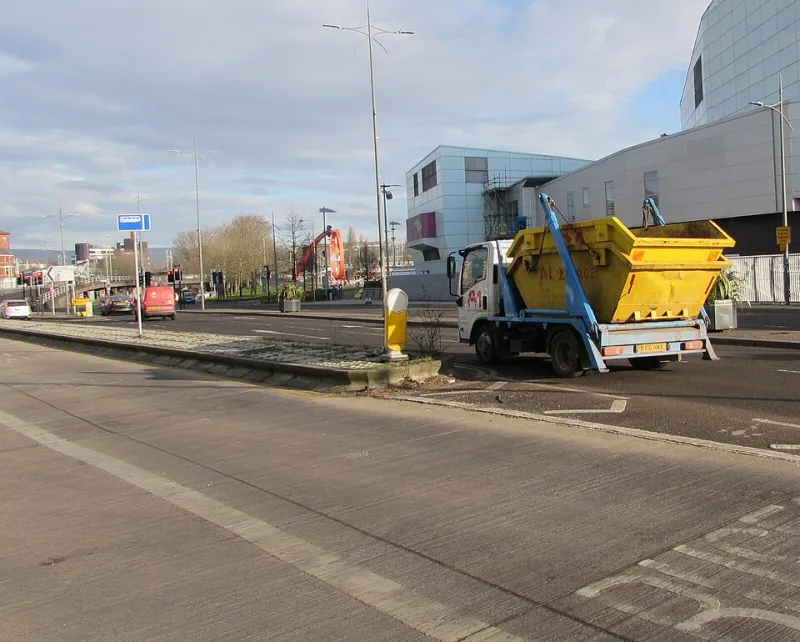
When the skip lorry arrives, the driver is not just hooking up a container and driving off. The vehicle usually heads to a waste transfer station, where the load is weighed on a weighbridge. The ticket from that weighbridge matters. It records the weight of the load and forms part of the audit trail for the waste. In the UK, anyone transporting waste commercially must be registered as a waste carrier, and the paperwork should follow the load from your property to its final destination.
For a homeowner, the key point is that a skip is not a magic box. It is a collection point. The company hiring you the skip is responsible for moving the waste to a permitted site, but you are responsible for what goes into it. That distinction becomes important when a load contains things that should not be there.
What happens on the sorting floor
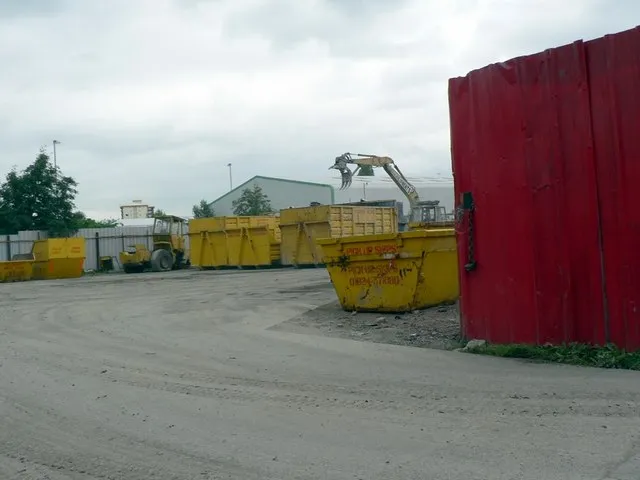
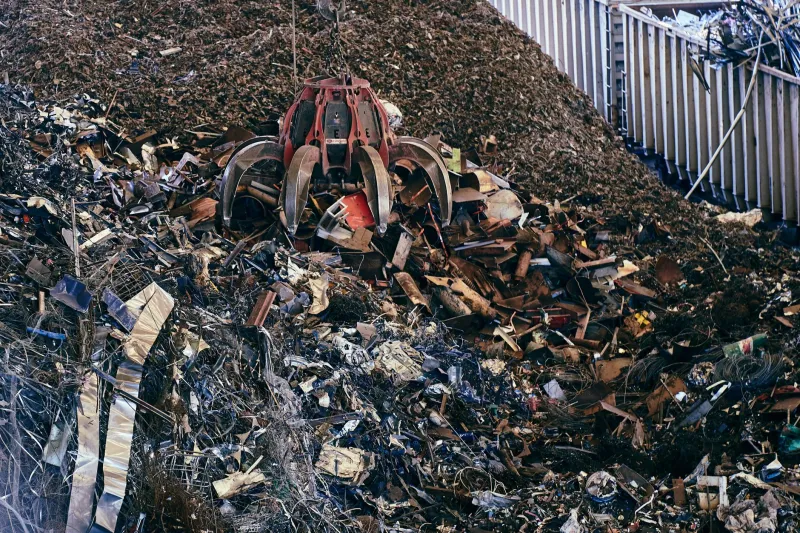
At the transfer station, the skip is tipped into a designated bay. From there, the load may go through a combination of mechanical sorting and manual picking. Large items are pulled out first. Timber, metal, cardboard, hardcore, green waste and plasterboard are separated where possible. A mixed skip is exactly what it sounds like: a mixture. The sorting process is designed to recover what can be recovered, but it is not a laboratory. Contamination slows everything down.
Metal is relatively easy to recover and has a resale value. Clean timber can be processed. Hardcore and rubble can be crushed and reused as aggregate. Plasterboard needs separate handling because it can produce hydrogen sulphide if it breaks down in the wrong conditions. Mattresses, tyres, paint tins, batteries, gas bottles and electrical items all have their own routes, and most of them should never be hidden in a general skip.
What cannot be recovered is sent for energy recovery or landfill, depending on the facility. That is the part people tend to overestimate. A modern transfer station is not a giant grave for household clutter. It is a sorting and transfer point, and the more usable material you keep separate, the less of your load ends up in the expensive end of the system.
Why mixed loads cost more
Skip hire prices are not just about the size of the container. They reflect the cost of moving, sorting and disposing of what is inside it. Landfill tax is charged by weight, and gate fees at transfer stations vary. When a load is heavily mixed, the sorting process takes longer and more material is likely to be sent down the disposal route rather than the recycling route.
That is why some skip companies ask questions about what you are putting in. It is not nosiness. A load full of clean rubble is a different proposition from a load full of rubble, old carpet, paint cans and a dismantled shed. The first is relatively straightforward to process. The second needs more handling and carries a higher risk of contamination.
If you are renovating a house, the cheapest skip is rarely the one with the lowest headline price. It is the one that matches the waste you are actually producing. A smaller general skip plus a separate arrangement for plasterboard, hazardous items or green waste can work out better than forcing everything into one container and hoping for the best.
A sorting routine that works before the skip arrives
You do not need a full waste management plan for a kitchen refit, but a few minutes of forward thinking helps. Set up rough zones before the skip lands. One area for timber, one for metal, one for rubble and hardcore, one for plasterboard, and one for general non-recyclable rubbish. If space is tight, use labelled bags or boxes for the small stuff.
Keep hazardous items out altogether. Paint, solvents, oils, asbestos, batteries, gas cylinders and unknown chemicals do not belong in a general skip. Neither do liquids. If you are unsure about an item, ask the hire company before it goes in. It is far easier to deal with a question at the driveway than a rejected load at the transfer station.
Flatten cardboard and break down bulky furniture where you can. It saves space and makes the load easier to handle. Keep the skip reasonably level rather than piling everything at one end. And do not use the skip as a hiding place for things you know should be separate. The sorting floor will find them eventually, and the cost of that discovery usually lands back on the person who hired the skip.
The paperwork that proves it went the right way
When the skip is collected, you should receive or be able to request a waste transfer note. This is the record that shows the waste was passed to a registered carrier and sent to a permitted site. If you are hiring a skip for a business project, keep those notes. For homeowners, they are still worth having. They show that the waste was handled properly and give you something to fall back on if questions arise later.
Check that the company you are using is licensed and that the vehicle and paperwork match. A cheap quote from someone who cannot produce the right documents is not a bargain. It is a risk.
The bottom line
Your skip load does not get buried and forgotten. It gets weighed, sorted and routed. Some of it comes back into circulation as recycled material. Some of it goes to energy recovery. A smaller portion goes to landfill. Sorting before collection is not about being perfect. It is about keeping the obvious offenders out, giving recyclable material a fair chance and avoiding the extra charges that come with a contaminated load. A few labelled piles and a quick conversation with the hire company can make the whole journey smoother, cheaper and a lot less mysterious.