Wet Weather, Heavier Skips: Keeping a Winter Clearance on Track

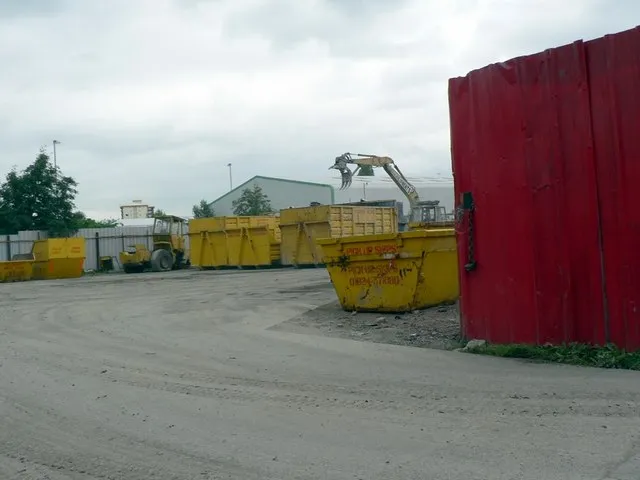
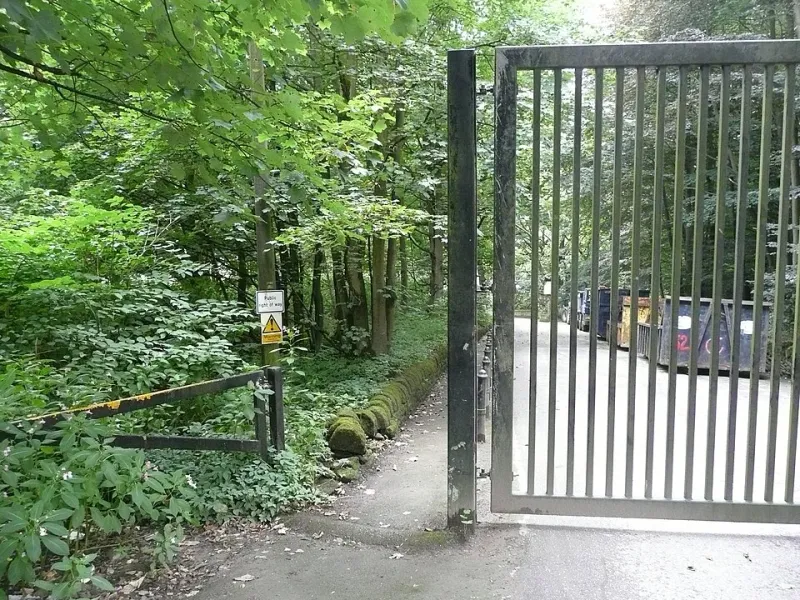
Photo: Michael Trolove , CC BY-SA 2.0, via Wikimedia Commons
British winters have a habit of turning a straightforward clearance into a heavier, slower and more expensive job. A skip that looked generous in October can feel tight by December, especially once rain has soaked the carpet, the plasterboard offcuts and the bags of green waste. At Tow A Skip, we see the same pattern every November: good intentions, a full skip and a load that has quietly put on a few hundred kilos of rainwater. The trick is not to fight the weather. It is to plan for it, so a wet week does not become a weight-limit penalty or a missed collection.
Rain Makes Rubbish Heavier — and Your Weight Limit Less Forgiving
Skip hire is usually priced around a weight allowance, not just the size of the container. That allowance is there because the skip wagon, the waste transfer station and the law all have limits. Wet waste eats into it fast. Carpets hold water like a sponge. Plasterboard, MDF and chipboard soften and gain weight. Soil, rubble and green waste can go from heavy to seriously heavy after a few downpours. If you are renovating a bathroom or clearing a garden, keep the wet stuff out of the skip where you can. Bag soft waste, stack sheets flat and cover the load before the rain arrives rather than after.
It also helps to separate the dense stuff from the bulky stuff. Rubble, tiles and soil belong in a separate grab lorry or a dedicated heavy-waste run, not spread across the bottom of a skip that you then fill with light packaging. If the skip company asks what you are putting in, tell them the truth. A mixed load with a hidden tonne of wet sand is exactly how a cheap skip turns into a costly one.
Cover the Load Without Creating a Sail
A tarpaulin is essential in winter, but a badly fitted one can be a nuisance. Water pools in the middle, the wind gets underneath, and the whole thing flaps like a sail. Use a cover that is properly secured with ropes or bungees, and do not let it overhang where it can catch passing vehicles or pedestrians. Some skip firms supply nets or covers; others expect you to sort it. Ask when you book.
Do not cover a skip so tightly that it becomes a water butt. If water can collect, leave a way for it to drain, or use a cover that sheds rain to the side. And never fill the skip above the side rails. An overfilled skip is harder to cover, harder to transport and more likely to be refused by the driver. A level load is a safe load, especially when the weather is doing its worst.
Soft Ground, Full Skips and the British Back Garden
Winter ground is softer than it looks. A skip parked on a lawn, gravel drive or newly landscaped garden can sink, crack paving or leave deep ruts. Put down boards or plywood to spread the weight, and keep the skip on firm, level ground. Avoid positioning it over drains, manholes or anything you cannot inspect later. If the only spot is on the road, you will need a skip permit from the council, and you should check the dates carefully. A permit for a week does not automatically stretch because Christmas got in the way.
If access is tight, a wait-and-load skip or a skip bag can be a better winter option than a conventional skip sitting outside for days. The less time a load is exposed to rain and wind, the less chance there is of weight creep and wind-blown mess.
Light Rubbish, Strong Winds: The Flying Waste Problem
Polystyrene, plastic packaging, paper and insulation offcuts are the first things to take off in a gust. Bag them, weigh them down or keep them in a secure container until the skip is ready to go. Do not rely on a few bricks on top of a loose sheet. If high winds are forecast, ask the skip company whether collection can be brought forward, and do not overfill the skip in the hope that the sides will hold everything in.
Wind-blown waste is not just untidy. It can end up in a neighbour's garden, a drain or a road, and that can become a fly-tipping conversation you do not want. Keep the area around the skip tidy and sweep up loose bits as you go.
Christmas and New Year: Book Early, Expect Downtime
Collection schedules tighten around Christmas 2026 and New Year 2027. Bank holidays, reduced staffing and busy transfer stations mean fewer slots, and some firms stop taking new bookings for the week between Christmas and New Year. Book early, confirm the collection date in writing, and ask what happens if the weather turns. If your skip permit runs out while the skip is still sitting there, you could be the one dealing with the council, not the hire company.
Do not treat the festive break as a chance to fill the skip to the brim with extra household rubbish. That is how weight limits get broken and how collections get missed. If you have a big clear-out planned, book a second smaller skip or use a bag for the light stuff.
A Winter Skip Checklist
- Check the weight allowance before you book, not after the skip is full.
- Keep soft, absorbent waste bagged and covered.
- Put boards under the skip if it is going on grass, gravel or block paving.
- Secure the cover properly and never fill above the side rails.
- Bag light rubbish and keep it weighted down in windy weather.
- Confirm collection dates around Christmas and New Year.
- Check permit dates and do not assume they will be extended.
Winter clearances are not impossible. They just need a bit more thought than a sunny-day job. Cover the load, watch the weight and book ahead, and the British weather can be a nuisance rather than a bill.