Drops That Follow the Work: Staging Skips Across a Multi-Week Renovation

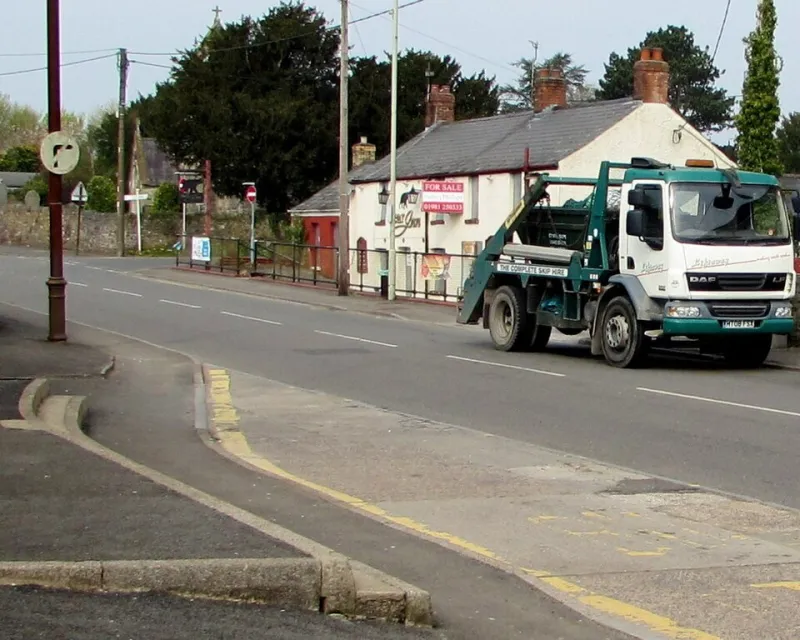
Photo: renovation waste skip outside UK terraced house building work, via www.slovakia.com
Every renovation starts with the same optimistic assumption: we'll get one big skip, and it'll do the lot. Then the plasterboard arrives separately, the old kitchen won't fit alongside the rubble, the skip sits half-empty for a fortnight because the electrician hasn't started, and someone ends up on the phone at 7am begging for an emergency drop.
None of that is a loading problem. It's a sequencing problem. Waste comes out of a building in distinct phases, and the skips should follow those phases rather than the other way round.
Why the single-skip plan usually fails
Demolition waste is heavy and compact. Strip-out waste is light and bulky. Final clearance waste is a bit of everything, in small quantities. Those three loads want different containers, and cramming them together means you either blow the weight allowance on the first day or pay for a container that's three-quarters air.
There's a permit dimension too. Council skip permits are issued for a specific position, for a set period — commonly seven or fourteen days, though it varies by authority. A permit doesn't stretch to cover an open-ended build. So the permit timeline, not just the skip timeline, should be shaping when each drop happens.
Phase one: demolition and rip-out
This is the heavy phase — bricks, blocks, hardcore, tiles, old paths, chimney breasts. Volume builds slowly, weight builds fast. A mid-size container is usually the right call here, and the conversation with the hire firm should be entirely about tonnage rather than cubic yards. Ask what the load limit is and what the weighbridge overage rate looks like.
Book this drop for the day the work starts, not the week before. A skip sat on the road for four days before anyone lifts a hammer is four days of permit gone.
Phase two: strip-out and the bulky middle
Kitchens, bathrooms, doors, studwork, skirting, old wardrobes, the carpets nobody wanted. This material is voluminous and light, so you're buying space, not weight. A larger container can make sense here precisely because the tonnage limit won't be tested.
Timing is the trick. The gap between demolition finishing and strip-out beginning is often a few days of nothing, and that's the point at which people leave a skip standing outside out of habit. Have it collected. Rebooking a drop costs less than carrying an idle container through a quiet week.
Phase three: the quiet stretch
There's usually a fortnight in the middle of a renovation where the trades are in and out but nothing much is being thrown away — first fix, plastering, waiting for things to dry. No skip needed. If your permit covers this period, fine; if it's expiring, let it lapse and reapply when the next load is actually ready.
Some councils will extend or renew an existing permit, others want a fresh application and a fresh fee. Ring the highways team and ask before assuming. It's a two-minute question that can save a week of waiting.
Phase four: final clearance
Offcuts, packaging, the old shed, the pile that accumulated in the back garden. This load is mixed and modest — often a small container or a wait-and-load arrangement is enough. If your permit has run out and you only need a couple of hours, a wait-and-load slot or a skip bag on private land sidesteps the permit question entirely.
The permit rules that catch people out on repeat drops
A few things worth checking with your council before you plan the schedule:
- Does one permit cover a swap? Many authorities allow a replacement container in the same position under the same permit; some don't. Confirm it.
- Is your road restricted? Certain routes and red routes won't take a skip at all, whatever you pay.
- Cones and lamps. Most councils require them, and the hire firm usually supplies them — but check who's responsible.
- Daylight hours. Some permits specify collection times, which affects when the lorry can turn up.
- Duration. If your build is eight weeks, you are almost certainly buying more than one permit, so budget for it in the quote rather than as a surprise.
A workable booking rhythm
Order the first drop three to five days before demolition, sized for weight. Book the second once strip-out is within sight, sized for volume. Let the permit lapse over the quiet stretch. Book the final clearance as a small drop or wait-and-load when the snagging list is nearly done.
For tradespeople running several jobs
Keep waste transfer notes for every load, and don't let waste from two addresses end up in one container — duty of care sits with whoever produces the waste, and a mixed load is hard to defend. If you're managing the whole renovation, put the skip schedule on the same programme as the trades. It's the cheapest waste plan you'll ever write, and it stops the 7am phone call.