When the Skip Says No: Five Loads That Need a Different Route
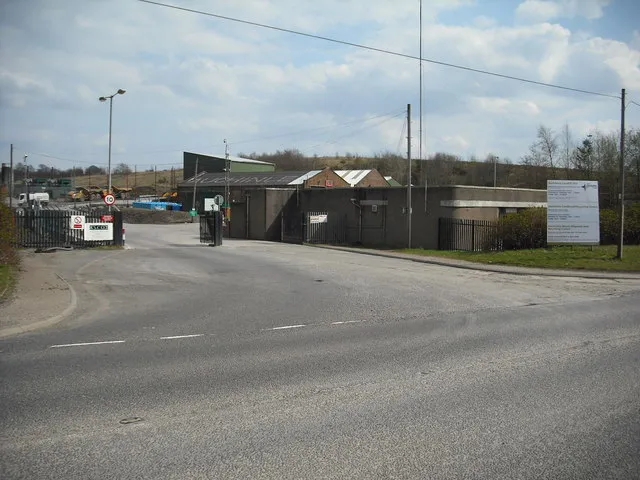
Photo: Jim Smillie, CC BY-SA 2.0, via Wikimedia Commons
Every skip company has a list of things it will not take. It is not a personality quirk. It is a mix of environmental law, site rules, fire risk and the simple fact that some waste needs a specialist route. If you are clearing a garage, a loft or a building site, the last thing you want is a rejected load or a fine because something on the no list went in with the rubble. At Tow A Skip, we would rather answer a question before the skip arrives than deal with a rejected load afterwards. Here are five common problem items and the practical alternatives.
1. Asbestos — the one that stops everything
Asbestos is the classic skip no. It is hazardous, it needs licensed handling and it cannot go in a general mixed-waste skip. Breaking it up yourself is a bad idea, and hiding it under other rubbish is worse. Use a licensed asbestos contractor or check with your local council about household asbestos disposal. Some council sites accept small amounts by appointment, but rules vary. Keep any suspected asbestos damp, undisturbed and separate, and do not put it in a skip bag either.
2. Tyres — a pain to landfill, not skip fodder
Tyres are bulky, they do not compact well and they are subject to strict waste rules. Most skip firms will refuse them, and many landfill sites will not take them whole. Take tyres to a tyre fitter, a local recycling centre that accepts them or a council-run waste site that lists tyres as accepted. Expect a small charge. If you are replacing tyres, ask the fitter to take the old ones away — that is usually the simplest route.
3. Liquids and Paint — leaks, contamination and fines
Liquids are a straightforward no. They leak, they contaminate other waste and they can turn a dry load into a messy one. Paint is the one people get wrong most often. Liquid paint should not go in a skip, and it should never go down a drain. Use a local household waste recycling centre that accepts paint, a community paint reuse scheme, or a licensed hazardous waste collection. If you only have a small amount of dried-out paint, check with your council before putting the tin in the general waste. Do not assume the skip will take it.
4. Gas Bottles and Pressurised Containers — explosive risk
Gas bottles, camping cylinders, aerosol canisters and other pressurised containers can explode if they are crushed in a skip lorry or at a waste site. That is why skip firms refuse them. Return refillable bottles to the supplier or retailer. For disposable camping gas and small cylinders, check with the council or a local household waste site. Never put a gas bottle in a skip and never try to puncture or empty it yourself.
5. Batteries and Electricals — the fire starters
Batteries are a growing problem in waste loads. Lithium batteries in vapes, power tools, laptops and toys can ignite when damaged or crushed, and that fire risk travels with the skip. Electrical items should go to a household waste recycling centre or a retailer take-back scheme. Small batteries can often be dropped at supermarkets or council sites. Keep them out of the skip, out of the general rubbish and out of the bag of mixed cables and chargers.
Plan the Problem Waste Before the Skip Arrives
A quick survey before you book can save a lot of hassle. Walk the job and list anything that looks like a problem: old paint tins, a gas cylinder, a box of batteries, a stack of tyres or anything that might contain asbestos. Then call the council or check its waste site list, ask the skip company what it accepts, and book separate collections for the awkward stuff. Keep problem waste in a labelled box or a locked area so it does not get mixed in by accident.
If you are working with a tradesperson, ask them how they are disposing of their own waste. A reputable firm will have a waste carrier registration and will not expect to hide hazardous items in your skip. If someone offers to lose a tyre or a tin of paint in the load, say no. The fine is not worth the convenience.
What Happens If It Goes in Anyway
Skip companies can reject a load if it contains prohibited items. That can mean the skip is not collected, the load is returned to you, or you pay for sorting and disposal. Councils and the Environment Agency can also fine people for fly-tipping or for breaking waste rules. The paperwork matters too: a waste transfer note should describe the waste accurately. If you are not sure, ask before you throw.
A skip is a useful tool, not a magic hole in the ground. The no list exists to keep workers, waste sites and the public safe. Sort the problem items out first, and the rest of the clearance will run a lot smoother.