A Quiet Kind of Clearance: Renting a Skip for a Family Home Without the Fanfare
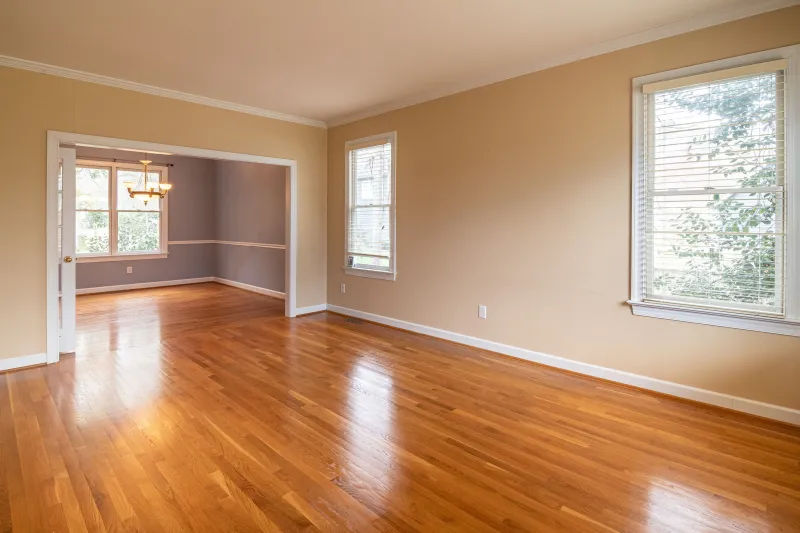
Photo: empty family home living room with cardboard boxes and skip on driveway UK, via images.pexels.com
There is a particular kind of silence in a house that has just been emptied of its person. The clock still ticks. The kettle is still there. And somewhere between the paperwork and the packed boxes, someone has to decide what happens to forty years of ordinary life.
A skip is not the first thing you should think about. It is not the last thing either, but it should come after a few quieter decisions. Get those right and the skip becomes what it should be: a practical container at the end of the driveway, not a public statement about loss.
Start with the things a skip must never swallow
Before anyone reaches for a black bag, walk the house with two boxes and a folder. One box is for documents: wills, deeds, bank statements, insurance papers, passports, pension letters, anything with a policy number on it. One box is for valuables and keepsakes: jewellery, watches, photographs, letters, medals, the odd thing that looks like rubbish but isn't. The folder is for notes — who has been told what, which charity has been rung, which neighbour has a key.
This sounds obvious. It is also the step most often skipped when cousins are arriving at the weekend and everyone wants to feel useful. Do it first. A skip is very good at making decisions irreversible.
If probate is involved, keep the paperwork in one place and don't let it migrate into the clearance pile. The same goes for anything that might be shared between siblings. Sorting it later is easier than fishing it out of a mixed skip.
Charity first, waste second
Once the documents and keepsakes are safe, look at what can go to charity. Clothes, books, crockery, small furniture, garden tools — a lot of it still has life in it. Ring ahead to local charity shops and ask what they can actually take. Most will not want broken furniture, damp bedding, old electricals or anything that needs a van and a prayer. Some will collect; many won't. The British Heart Foundation and similar charities have clear lists online, and local hospices and community groups often know exactly who needs what.
This is not just about being virtuous. Every bag that goes to a charity shop is a bag that doesn't go into the skip, which means you may get away with a smaller container and a lighter bill. It also gives the clearance a gentler rhythm. You are not just throwing things away; you are moving them on.
Choose the skip for the job, not the emotion
When you do order, resist the urge to go for the biggest skip on the website. A family home can produce a lot of waste, but it rarely produces it all at once. A six-yard skip is a sensible starting point for many house clearances, provided there is no heavy rubble, soil or plasterboard in the mix. If there is, read the weight rules before you book — a small skip full of rubble can cost more than a larger one filled with light household goods.
Think about where the skip will sit. If it can go on the driveway, that is usually the quietest option: no permit, no cones, no pavement to keep clear. If the driveway is blocked, narrow or shared, you may need a permit to put it on the road. Permit rules vary by council, so check the local authority's website rather than assuming. The permit usually runs for a set window — often a few days to a couple of weeks — and that window should shape your plan, not the other way round.
Pace the load across the permit window
A common mistake is to book the skip, panic, and fill it in a single weekend. That is how pavements get blocked, neighbours get irritated and useful things get thrown out because there is no time to think.
A better approach is to work in stages. Use the first day or two for the rooms that are easiest to sort: bathrooms, spare bedrooms, the garage. Leave the main living room and the personal rooms until you have found your rhythm. Keep a corner of the skip free for the awkward stuff — the broken chair, the old hoover, the roll of damp carpet — so you are not tempted to cram it in later.
If the skip is on the road, keep the pavement clear at all times. Do not stack bags beside it, do not block a neighbour's gate, and do not leave loose items out overnight. A skip is noticeable enough without turning the street into an obstacle course. If the permit requires cones or lights, use them properly. If it doesn't, still keep the area tidy. Quiet clearance is largely a matter of not making other people's lives harder.
Keep the neighbours in the loop, briefly
You do not owe anyone an explanation. But a short note through the door — "We're clearing a family home over the next week; the skip will be on the drive until Friday; sorry for any noise" — can take the edge off. It also gives people a chance to mention if a delivery is due or a car needs moving.
If the skip is on a shared driveway or a private lane, check who else uses it before it lands. A quick conversation now is better than a tense one later. The same goes for anything that might block a bin collection or a fire route.
Leave the last day for the last things
Do not fill the skip to the brim on the final morning. Leave room for the things you discover at the end: the box in the loft, the paint tins in the shed, the bag of garden waste behind the greenhouse. Check the skip's fill line — overfilled skips can be refused or charged extra — and make sure nothing is sticking out where it could catch a passing vehicle or a pedestrian.
Before the skip goes, do one last walk-through. Open the cupboards. Check the airing cupboard. Look behind the curtains. It is surprising what gets missed when everyone is tired and the kettle has been packed.
A bereavement clearance is not a race, and a skip is not a measure of how much you cared. It is a tool. Use it calmly, pace it sensibly, and keep the pavement clear. The house will be empty soon enough. There is no need to make the street watch it happen.