Measure Twice, Drop Once: A Street-Level Access Check for Skip Deliveries
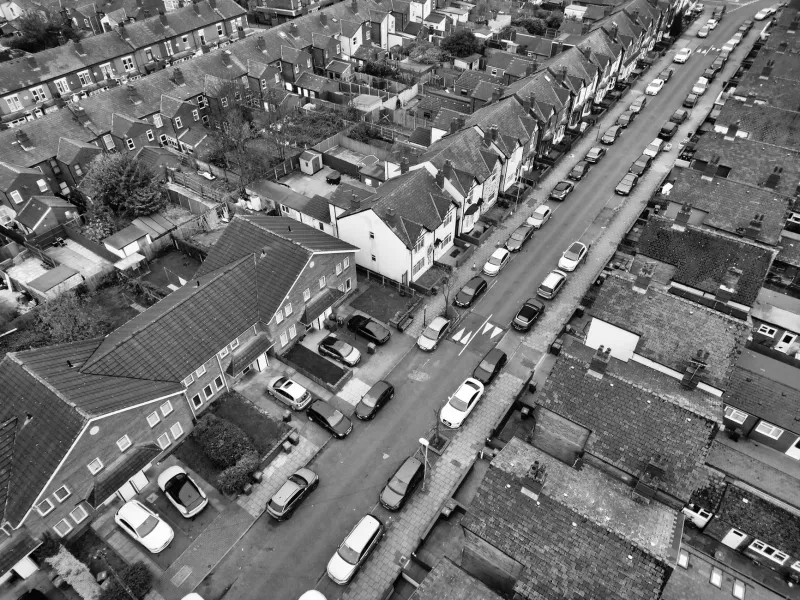
Booking a skip is usually the easy part. You pick a size, pay the deposit, and picture the wagon rolling up on the morning of the job. Then reality arrives first: a narrow terraced street, a neighbour’s van parked on the corner, a low branch over the only sensible drop spot. The driver takes one look and decides it isn’t happening.
A failed delivery isn’t just embarrassing. It can mean a wasted trip charge, a delayed clearance, and a second booking slot that doesn’t suit anyone. The good news is that most access problems are obvious once you know what to look for. Five minutes with a tape measure and a phone camera will tell you more than a dozen hopeful guesses.
Start at the kerb, not the driveway
Stand on the pavement and look at the street as if you were driving a loaded skip wagon. That means thinking about width, parking, and the route in from the main road.
A skip lorry is not a white van. It is long, wide, and heavy, and it needs a clear path to the drop point. If the gap between parked cars is tight enough to make you suck your teeth, it is probably too tight for the wagon. Pay particular attention to corners, bends, and anywhere cars routinely park half on the pavement.
Also check the day of the week. Bin day, school run hours, and market days can turn a perfectly passable street into a obstacle course. If your road has a residents’ parking scheme, ask whether a suspension is needed. In some areas the skip company will handle that as part of the permit; in others you need to sort it. Either way, don’t leave it to guesswork.
The turning circle you can’t see
Drivers don’t just need to reach your house. They need to get out again, often by reversing. A cul-de-sac with a tight turning head, a T-junction with cars parked right up to the corner, or a narrow lane with no passing places can all make a straightforward drop turn into a 20-minute shuffle.
Walk the route the wagon will take. If it involves a sharp turn, look at what is on the inside of the corner: a wall, a bollard, a lamppost, a neighbour’s hedge. A skip lorry can swing out wider than you expect. If you live on a busy road, think about how the driver will stop without blocking traffic for too long.
It is also worth asking the hire company whether they have delivered to your street before. A local firm will often know the awkward corners better than you do. If they haven’t, a couple of photos taken from both ends of the street will help them judge it before they set off.
Look up before you look down
Overhead obstacles are easy to forget because we don’t spend much time looking above head height. But skip wagons have lifting arms, hydraulic gear, and a high profile. Low branches, telephone cables, and even some street signs can get in the way of a clean drop.
Check the space above the spot where the skip will sit and the path the wagon needs to take. If a branch is hanging low, don’t assume the driver will simply push it aside. If a cable looks close, mention it when you book. The last thing anyone wants is damage to a phone line or a nasty surprise on the driveway.
This is also a good moment to check for low bridges or width restrictions on the approach. Most skip companies will ask about them, but it is better to volunteer the information than to have the wagon arrive and turn around.
Gates, gravel and the last ten metres
Your driveway might be plenty long enough, but the gate can still be the weak link. Measure the narrowest point, not the widest. That means the gap between gateposts, not the width of the opening when both gates are folded back. A skip needs a bit of wiggle room, so don’t book on the assumption that a perfect fit will be easy on the day.
Then think about what the skip will sit on. Block paving, gravel, and sloping driveways can all affect where the wagon can place the skip safely. A loaded skip is heavy, and the legs or arms of the delivery vehicle need stable ground. If your driveway is gravel, soft, or on a slope, say so when you book. The company may recommend boards, a different placement, or a road permit instead.
If the skip is going on the road, you will usually need a permit from the council. That process often asks where the skip will sit and how much road space it will take. An access check now can save you from paying for a permit for a spot the wagon can’t actually reach.
What to tell the hire company
You don’t need to write a report. A short, clear message with a few key details is enough. Tell them:
- the width of the narrowest access point;
- where you want the skip placed and what surface it will sit on;
- whether there are parked cars, bin days, or school-run issues;
- any low branches, cables, or width restrictions on the approach;
- whether you have a permit or need one;
- and whether the street is a cul-de-sac, a narrow lane, or a busy through road.
Photos are genuinely useful. Take one from the road looking towards the drop spot, one from the drop spot looking back, and one of any tight gate or low branch. A driver can learn a lot from a picture that would take ten sentences to describe.
The five-minute checklist
Before you confirm the booking, run through this quick list:
- Can a large van get down the street without mounting the kerb?
- Is there space to turn or reverse safely?
- Are parked cars likely to block the route on delivery day?
- Is there clear height above the drop spot?
- Is the gate wide enough, with room to spare?
- Is the surface firm enough for a loaded skip wagon?
- Have you told the hire company about any quirks?
If the answer to any of these is “maybe”, pick up the phone. A good skip firm would much rather have an awkward conversation now than send a wagon out on a fool’s errand. And if the street really is too tight, there are still options: a smaller wagon, a wait-and-load service, or a skip bag that doesn’t need a lorry at all.
Measure twice, drop once. It is a lot less hassle than watching the wagon disappear without your skip.