Plot Twists: Renting a Skip for an Allotment Clearance Without Tripping Site Rules

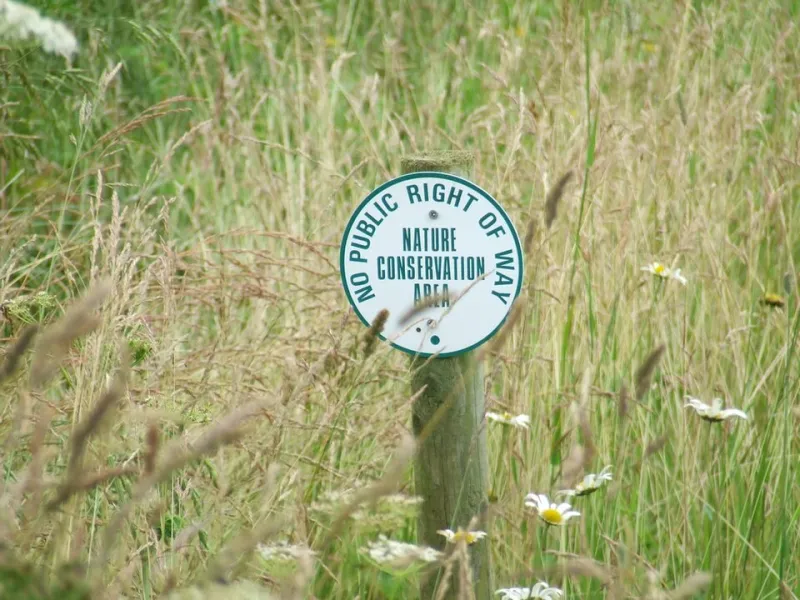
Photo: Paul Glazzard, CC BY-SA 2.0, via Wikimedia Commons
Allotments have a way of hiding work. One weekend you are trimming a hedge; the next you are staring at a collapsed shed, a mountain of bindweed and forty years of edging stones. That is usually the point when someone suggests a skip. Sensible idea — but an allotment skip is not a driveway skip with mud on its boots. The land often belongs to the council, the waste is not always household rubbish, and the site rules can catch out even experienced plot-holders.
An allotment skip is not a household skip
On your own driveway, a mixed skip is fairly straightforward: old furniture, broken tools, a bit of timber, the usual clearance clutter. On an allotment, the load is mostly green waste, soil, rubble and timber — and those materials do not all sit in the same category.
Green waste from your own plot is usually treated as household waste if you are clearing your own tenancy, but that does not mean every skip company wants it mixed with general rubbish. Many will send a green waste skip separately, or ask you to keep soil and rubble apart from branches and leaves. The reason is practical: mixed loads are harder to sort and can cost more to tip.
Soil is the bigger trap. It is heavy, it is not green waste, and a small-looking heap can push a skip over its weight limit before it looks full. If the soil is contaminated — old glasshouses, fuel spills, asbestos cement, unknown fill — it may need testing and a different disposal route altogether. Do not bury it under grass cuttings and hope for the best.
The permit question on council-owned land
A skip permit is normally a highway matter. If the skip sits on a public road, pavement or verge, the council's highways team will want a permit, and the skip company usually arranges it. On private land, you do not need a highway permit — but allotments are often council-owned, which means you still need permission from the landowner or the allotment association.
Start with your tenancy agreement and the site secretary. Some councils allow skips on the main access track for a short window; others ban them because they block fire access or the bin lorry. Some allotment associations ask for a deposit, a named hirer and a delivery time that avoids the school run. If the skip has to sit on the public highway outside the gate, that is a different permission again, and the council may refuse if the road is narrow or there is already a skip nearby.
Get the permission in writing, even if it is just an email. If a neighbour complains or a council officer visits, you want to show who agreed, where the skip sits and when it leaves.
Green waste: what can go in, what should not
Most green waste skips will take hedge trimmings, grass, leaves, branches and old bedding plants. They will not thank you for pernicious weeds, roots and rhizomes that can survive composting. Bindweed, horsetail, ground elder and Japanese knotweed are the classic offenders. Knotweed is controlled waste under UK rules, and it should not go into a normal mixed skip. If you suspect it, stop and ask the council's waste team or a specialist contractor before you dig.
Diseased plants, rotten timber and old shed panels also need thought. Timber with paint, preservative or asbestos cement sheeting is not green waste. Keep it separate and ask the skip company what they can accept. The same goes for plastic plant pots, netting, string and the inevitable crisp packets that blow across every allotment site.
Soil, rubble and the weight problem
Soil and rubble are dense. A skip that looks half empty can already be at its limit. If you are clearing a plot with old paths, brick edging and a concrete base, ask for a soil-and-rubble skip rather than a mixed one, and be honest about the volume. A grab lorry may be cheaper for a one-off soil heap than a skip that sits there for a fortnight.
Never use a skip as a hiding place for contaminated soil. If the load is found to contain hazardous waste, the bill and the paperwork can follow the hirer, not the person who dug it up.
Sharing a skip without sharing the blame
Plot-holders often club together for one skip. That can work well, but only if one person is named as the hirer and everyone else understands the rules. The hirer is responsible for what goes in, how full it gets and when it leaves.
Keep a simple list of who is contributing, agree what each person is allowed to put in, and do not let the skip become a site-wide dumping ground. If rubbish appears after your permit expires, the council will not care whose wheelbarrow it arrived in. Fly-tipping penalties can land on the person who hired the container. Lock or cover the skip if the site is open, and put a clear sign on it with the hire dates.
A short allotment skip checklist
Before you book, confirm who owns the land and who can give permission. Ask the skip company what they accept for green waste, soil and rubble. Keep invasive plants, contaminated soil and asbestos out of the load. Agree a delivery spot that does not block the access track. And if you are sharing, put the arrangement in writing before the first barrow arrives.
An allotment clearance is hard enough without a permit problem or a rejected load. Sort the rules first, then fill the skip — and the plot will be ready for next season without a nasty letter from the council.